
At first glance, pluralism is a “cold” term for me. My encounter with the word came along at a time when it was being used publicly to try and get people to put up with and tolerate differences in each other that they didn’t understand and were not willing to make much effort to know about. Pluralism, to me, felt like personal detente, which, by the way, was our national attempt to manage tensions between the US and the then Soviet Union. Necessary but not neat.
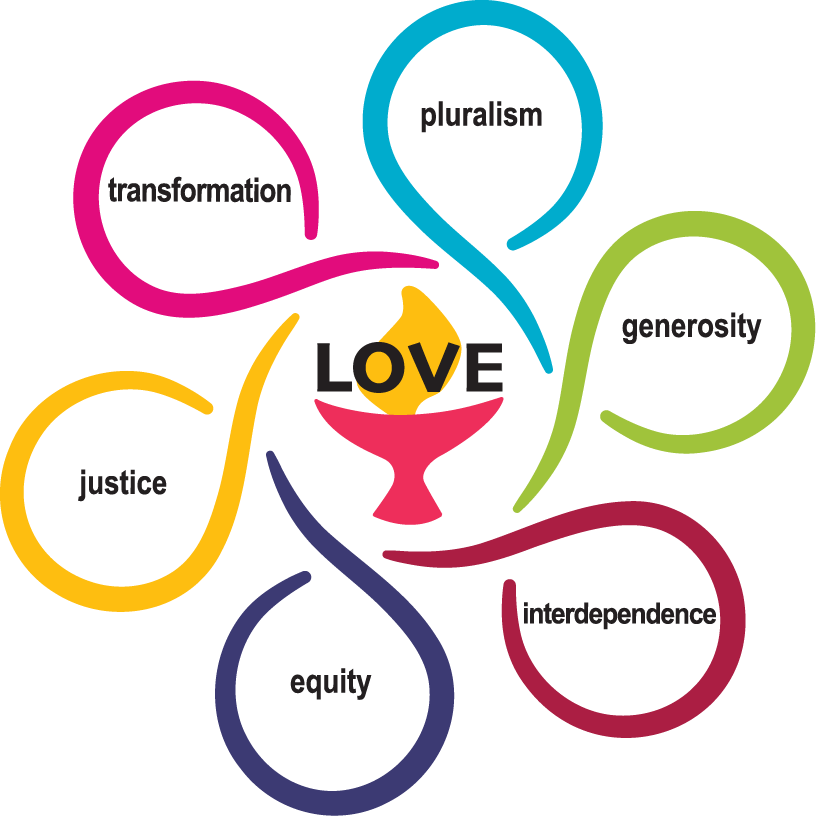
If I look closer, though, there is a real warmth, even a fire, built into pluralism. It begins in my own experiences of not being understood and being punished for it. It could be something as simple as showing up with a southern accent or being relatively quiet in a crowded gathering. “He doesn’t sound very smart.” “He doesn’t have much of a social life.” “He never speaks–thinks he’s too good for the rest of us.” After overhearing those kinds of things about myself, my interior response was something like “ouch.”
How do I find myself responding to the way people speak their home-grown English? How do I interpret another person’s solitude or social behaviors? What conclusions do I jump to around silence and sound in another person? I can choose to struggle with those questions because of my own experience, or I can join the crowd and make judgments about another human being which really only serve to make me feel better in the moment. Pluralism requires work.
My experience of compassion invites me to consider your suffering, allows me to experience suffering together with you, requires me to notice your suffering, conjures my curiosity about how I might respond to your suffering, and calls me to be courageous in league with you about the suffering we hold together.
Finding the compassion in pluralism means your sound and your silence, your social behavior and your solitude can have a place within our common human experience. And, finding compassion in pluralism will require me to struggle–to be honest about my own suffering, and what may be yours.
~Bob Patrick
